

In raging infernos, protective suits are a vital lifeline for rescuers. Traditionalaramidprotective suits, while capable of withstanding high temperatures, are as heavy and cumbersome as armor, akin to carrying a "portable sauna room."
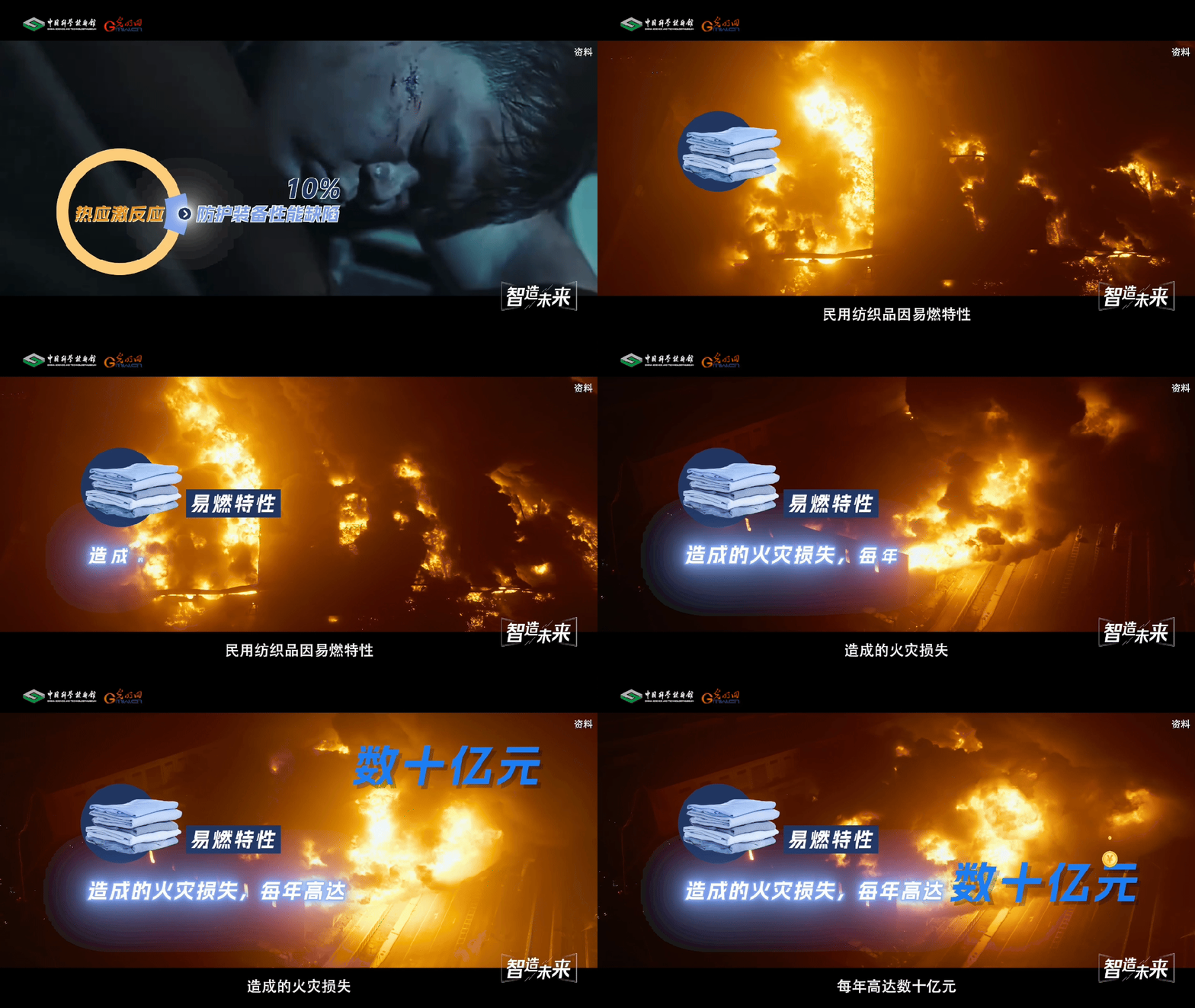
Data shows that in China, over 10% of heat stress reactions among rescue personnel annually are caused by defects in protective equipment. Civilian textiles, due to their flammable nature, cause fire losses amounting to tens of billions of yuan each year. Globally, about 200,000 tons of waste flame-retardant materials are generated annually. Traditional flame-retardant materials also release highly toxic dioxins when burned, posing a continuous threat to ecological safety. Is the "safety, comfort, and eco-friendliness" triangle in the field of materials truly an "impossible triangle"?
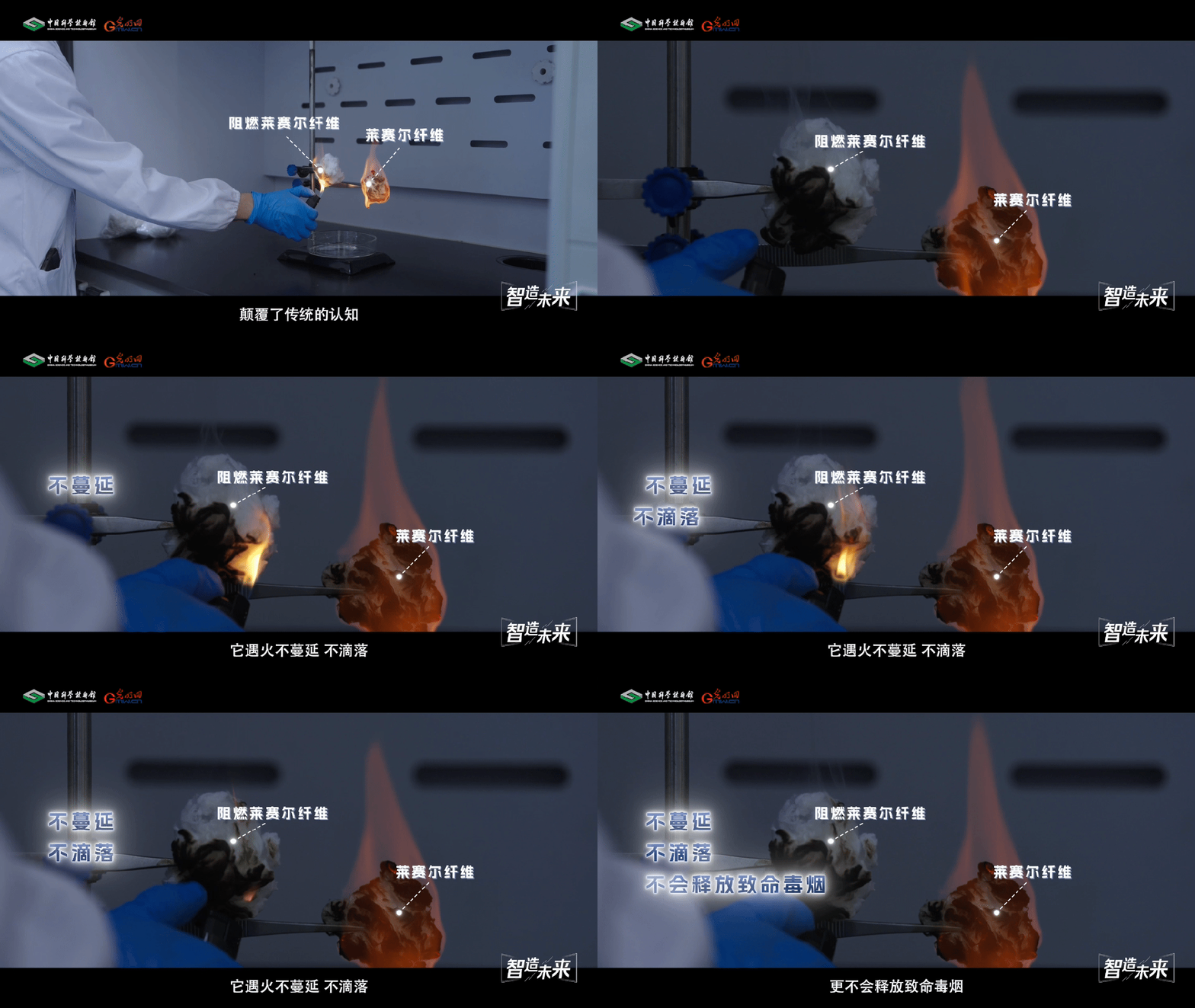
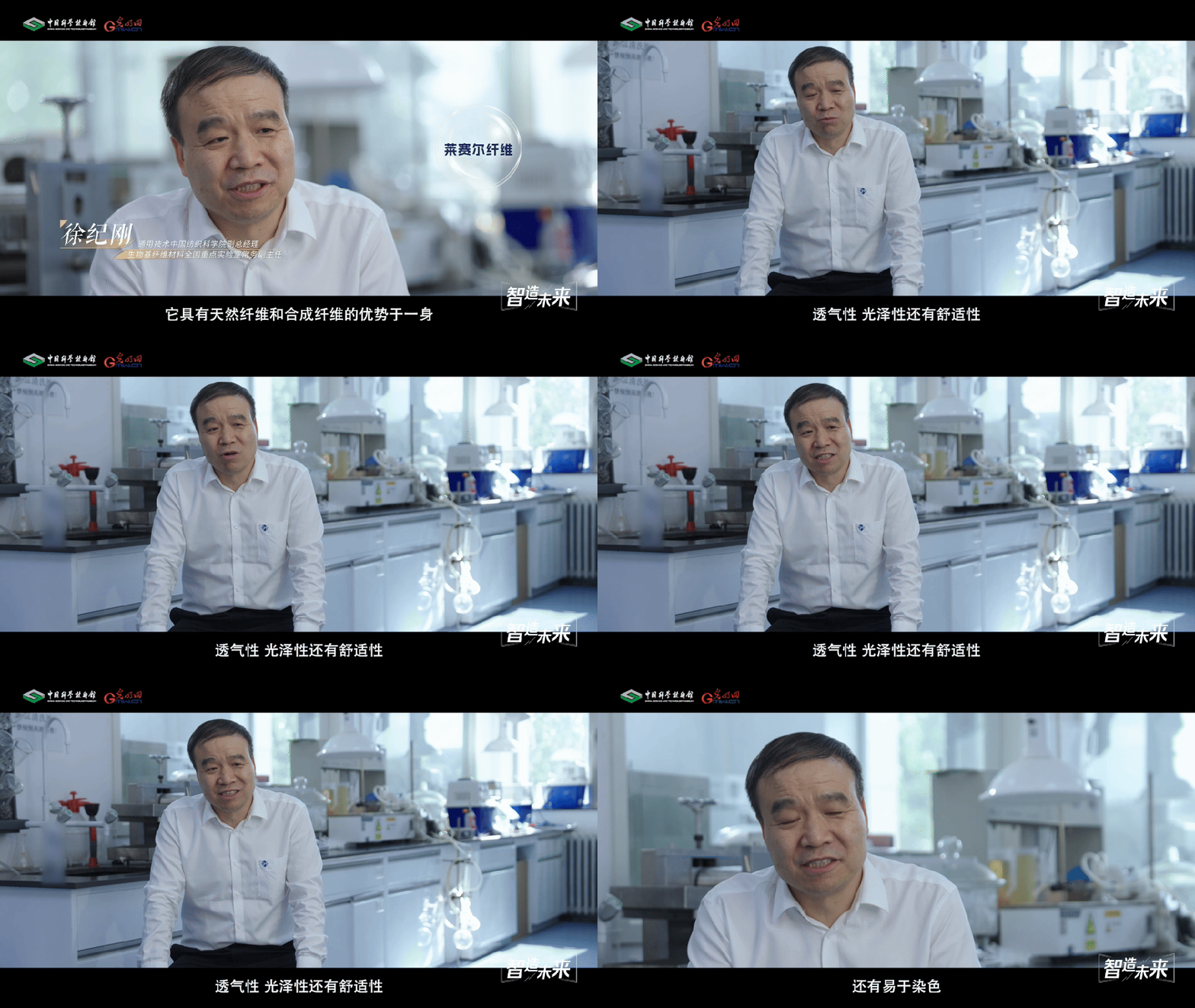
The research team from China Textile Academy (CTA) of General Technology Group found their answer in nature: flame-retardant lyocell fiber. Not only does it resist flame spread and dripping, and avoids releasing toxic smoke upon encountering fire, but it can also naturally degrade after use, becoming an "invisible armor" that safeguards lives. It boasts three key features: First, its process is green and eco-friendly, with raw materials sourced from natural renewable cellulose. Second, it uses the green solvent NMMO, which is extremely low in toxicity and involves a clean process. Third, the product is biodegradable after use, capable of returning to nature and being part of a circular system.
However, over 20 years ago, foreign countries had already achieved mass production of this fiber. Due to technological monopolies and blockades, domestic understanding of it was limited. China began laboratory research in 1994, but reliance on imported key equipment and immature solvent purification technology kept progress at the small-scale trial stage. More critically, the core solvent NMMO depended on Germany, making it expensive and supply-constrained. When CTA resumed research in 2006, the cost per ton of solvent exceeded 100,000 yuan, accounting for 40% of the total fiber cost. The equipment patents and technical barriers made progress extremely difficult for China.
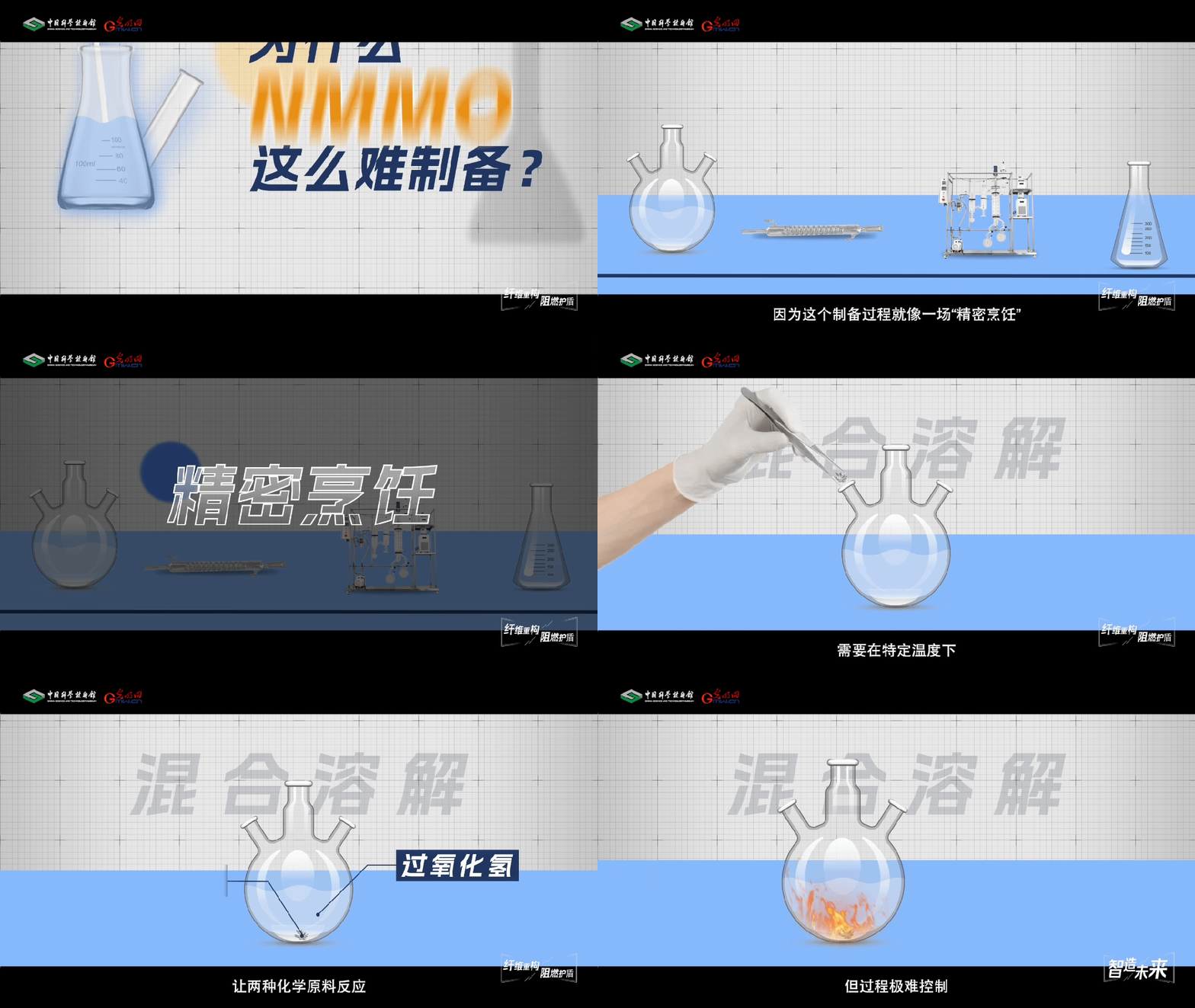
The biggest technical bottleneck was the uniform dispersion of the flame retardant. If the flame retardant was unevenly distributed within the fiber, it could cause inconsistent flame-retardant performance—sometimes effective, sometimes not—across the same fiber or batch of fabric. Some parts might resist fire, while others could ignite instantly. To tackle this challenge, the research team spent four years finally developing the "wet grinding + surface modification" process. First, the flame retardant is ground to nano-scale, then its surface is coated with a special modifier to ensure uniform suspension in the solvent. This breakthrough not only achieved 98% uniformity in flame retardant dispersion but also increased fiber strength by 30%.
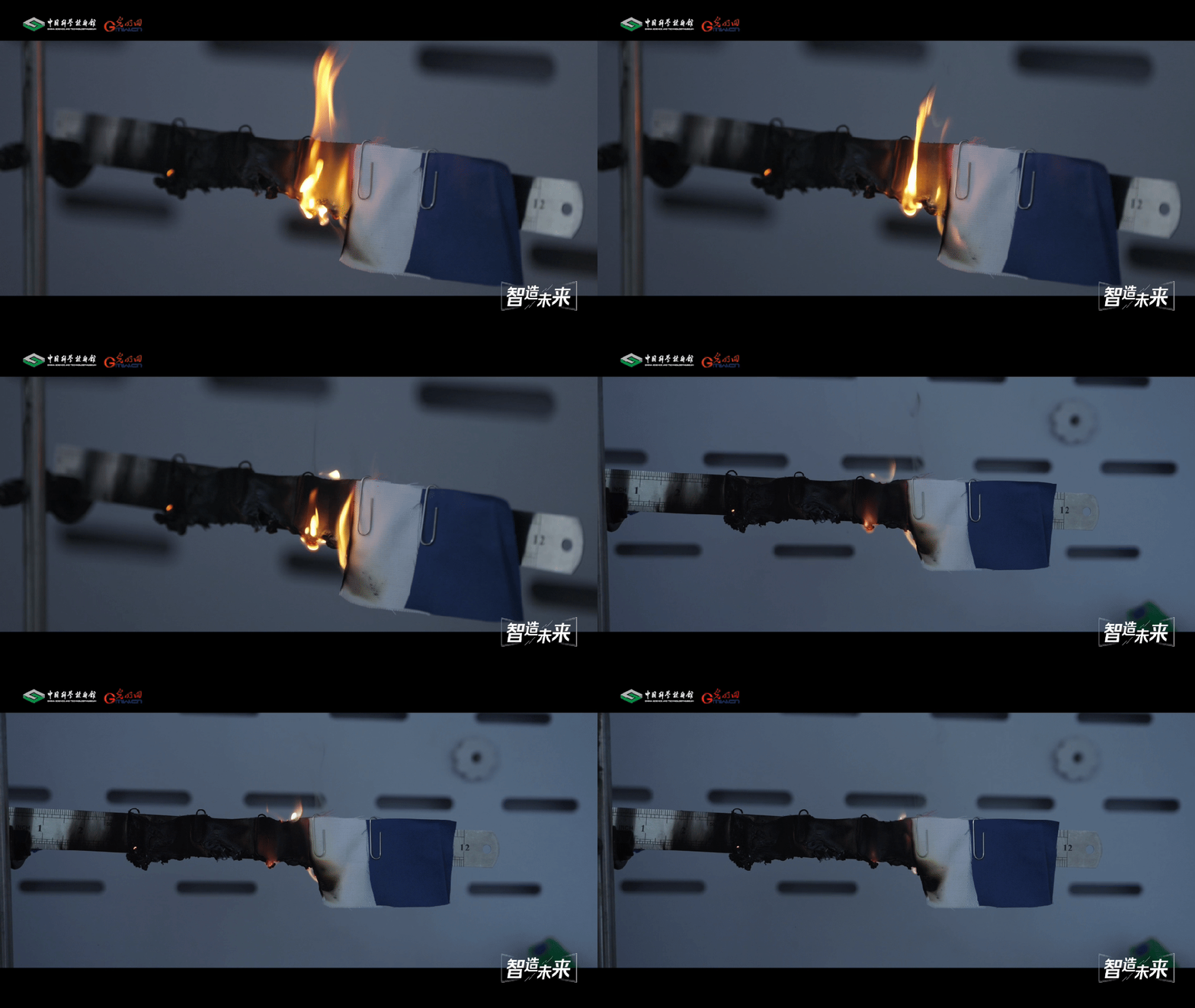
A comparative experiment clearly demonstrates the "hardcore strength" of flame-retardant lyocell fiber. In the group with ordinary fiber-spun yarn and fabric, once ignited and the flame source removed, the fire spread rapidly, burning through the entire fabric in just seconds while dripping liquid polymers. In the group with 100% flame-retardant lyocell fiber fabric, the flame self-extinguished in a short time upon contact, without spreading or dripping. The key behind this is the fiber's ability to quickly form a dense carbonized layer when exposed to fire, blocking oxygen and heat transfer. The Limiting Oxygen Index (LOI) of ordinary lyocell fiber is about 18%. Since this LOI is lower than the oxygen concentration in air (about 21%), it burns very easily in air. The Limiting Oxygen Index (LOI) of flame-retardant lyocell fiber can be as high as 28% or more. This value is significantly higher than air oxygen concentration, giving it excellent flame-retardant properties in air.
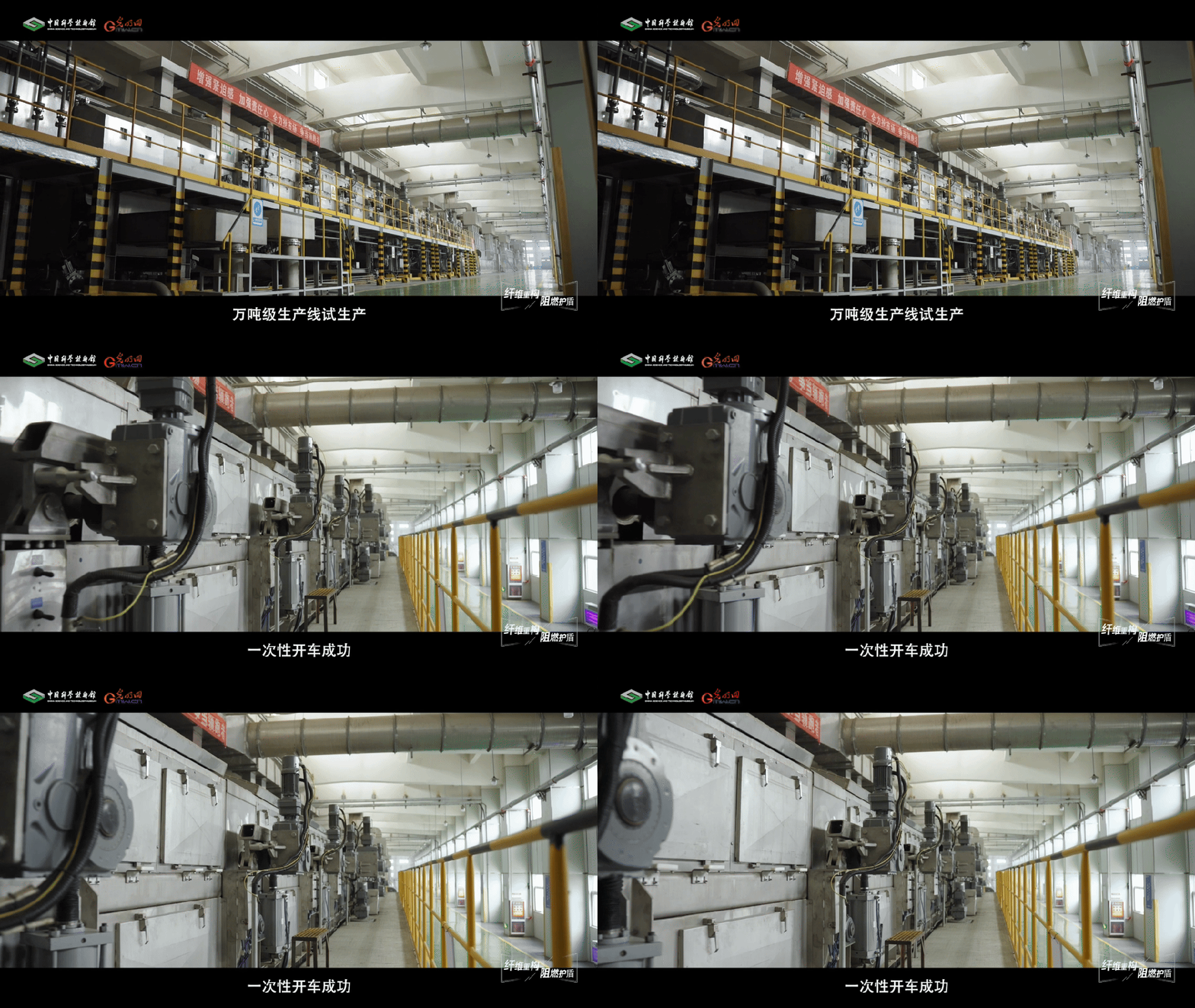
On December 29, 2023, the flame-retardant lyocell fiber project achieved a major technological breakthrough. The trial production of the 10,000-ton production line succeeded in a single start-up, marking the successful industrialization of flame-retardant lyocell fiber technology and achieving an original breakthrough "from 0 to 1".
On March 9, 2025, China successfully achieved continuous and stable production of flame-retardant lyocell fiber. Product quality improved significantly compared to the trial production phase. This marks the capability for large-volume global market supply of flame-retardant lyocell fiber, achieving the breakthrough "from 1 to 100".
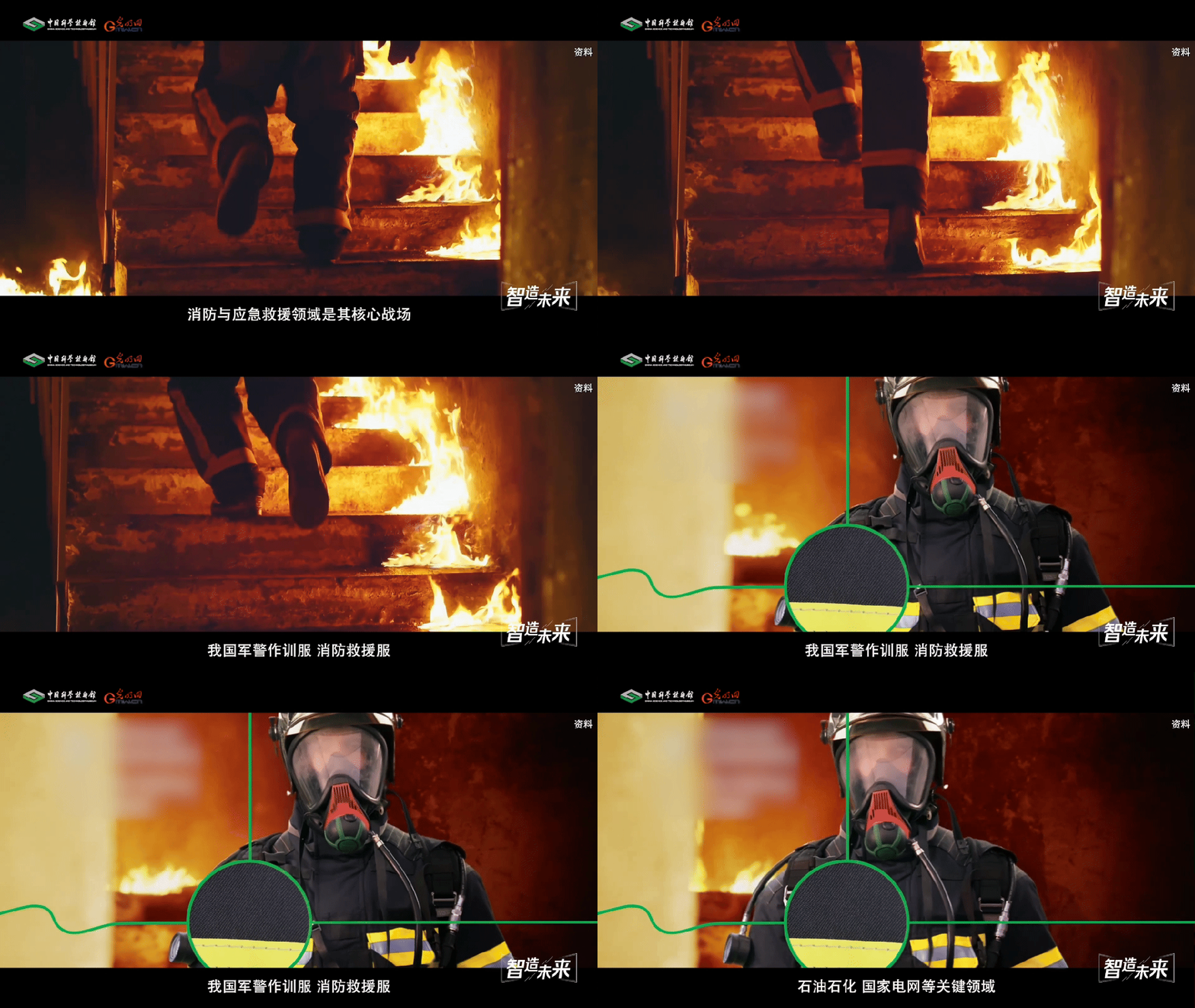
The birth of flame-retardant lyocell fiber has opened a new world of material applications. In critical safety fields, it serves as a "protective barrier"—military and police training uniforms, firefighting and rescue suits, special flame-retardant workwear for the petrochemical industry, and national power grids all rely on its capabilities. In daily scenarios, it acts as a "safety assistant"—bedding, curtains, sofas, etc., making home safety more assured. During travel, it serves as a "warm guardian"—seat covers, blankets, etc., safeguarding journey safety.
Domestically produced flame-retardant lyocell fiber has achieved a dual breakthrough of superior performance and lower cost. Chinese scientists have used this small fiber to write a legend from "follower" to "definer." Chinese intelligent manufacturing is now safeguarding both lives and ecological safety in a more sustainable and considerate manner.